
AIR FREIGHT · FLEET ENABLE
Built For Carriers Working Against The Airport Clock
Recovery, deconsolidation, cartage, and forwarder billing on one platform. House and master air waybills read on arrival, dispatch planned around access windows and dock protocols, and every accessorial captured on the invoice.
What Air Freight Carriers Need
Intake, recovery, warehouse, dispatch, tracking, and invoicing in one place, with full visibility from airport to consignee.

Air Waybill Intake
House and master air waybills arrive as EDI, API, PDF, email, CSV, or manual entry. However the forwarder sends it, it lands in the system as an order.
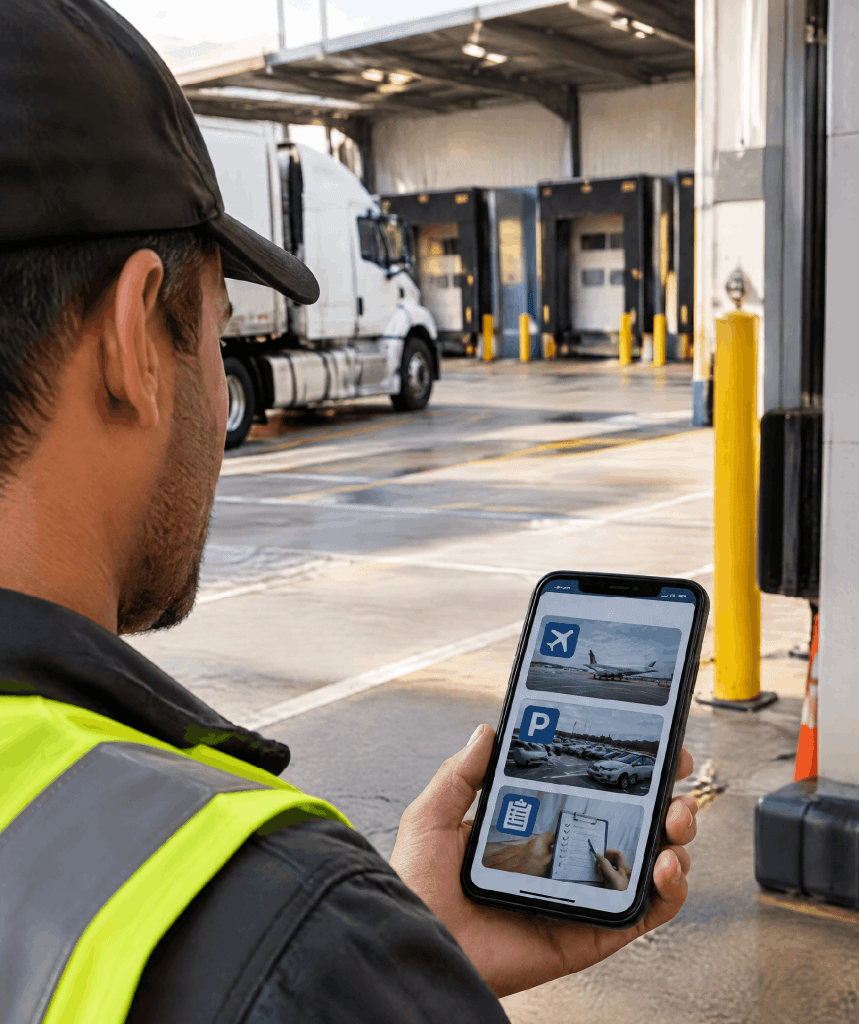
Driver App with Account Instructions
Airport protocols, parking, and account rules in the driver’s hand at the dock.
Airport Window Management
Slots, resources, and exceptions resolved before freight moves, not after the window closes.

Optimized Recovery Dispatch
Routing built around airport access, traffic, and freight downtimes, so every schedule holds.

Recovery and Deconsolidation
Freight recovered from the terminal is received against its master document, broken down to individual pieces, and staged to the routes those pieces leave on.
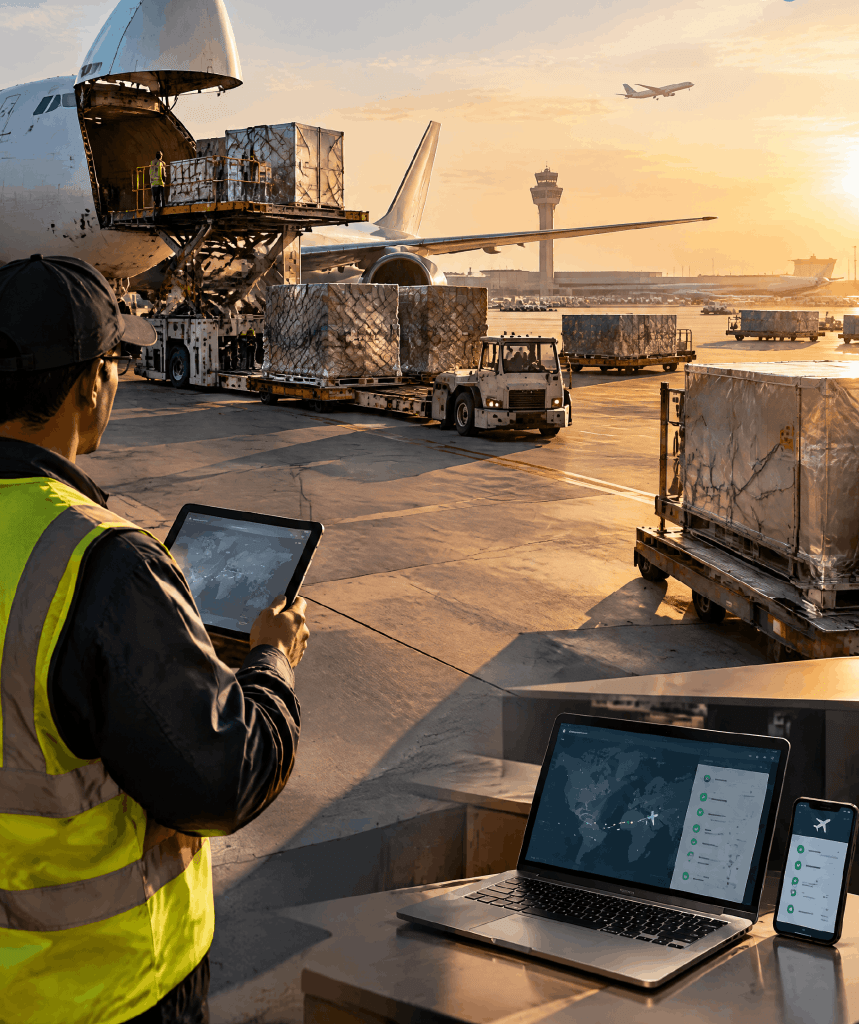
Air Freight Tracking
Recovery, in transit, delivered. Live for dispatch and forwarders, with status flowing back automatically.
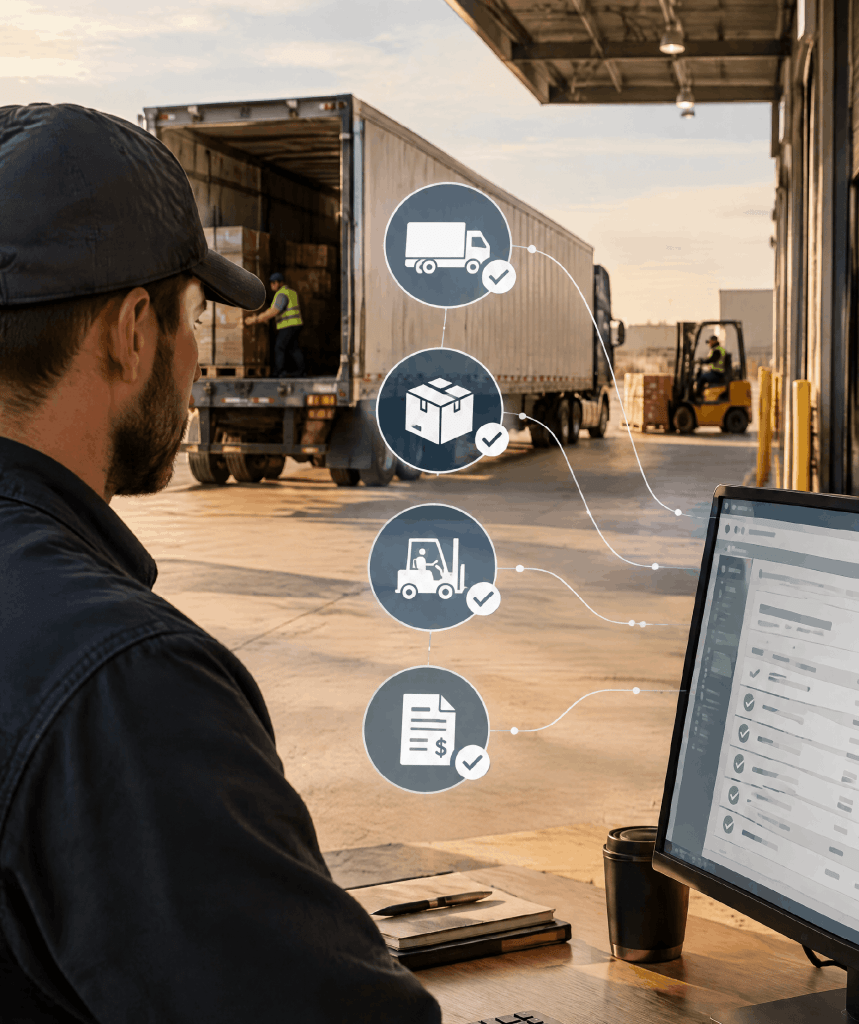
Automated Invoicing
Every recovery, delivery, and accessorial billed automatically, with nothing earned at the airport left off.
Where The Airport Clock Runs Against You
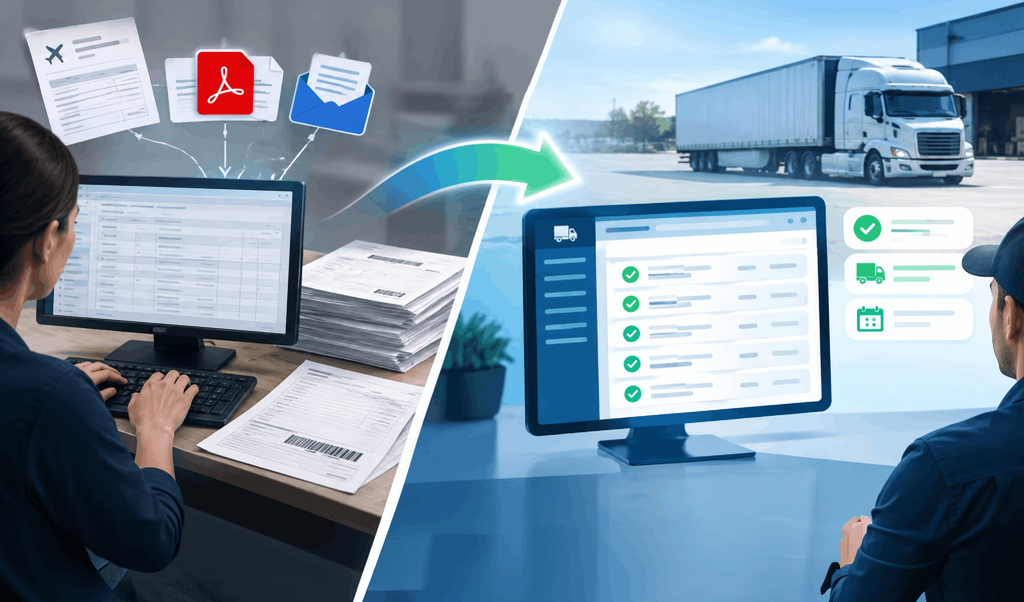
Manual Entry
House air waybills, forwarder PDFs, and emailed manifests still get keyed in by hand at most carriers.
Fleet Enable reads them on arrival and creates the order, so dispatch starts with the data already in the system.

Airport Windows
Recovery windows close whether the truck arrives or not.
Dispatch built around airport access restrictions, dock protocols, and freight downtimes keeps drivers inside the window instead of chasing it.

Forwarder Requirements
Forwarders expect order confirmations, status updates, and POD data to arrive automatically.
Native EDI connects those networks, so compliance runs in the background rather than as a manual chase.
Air Freight Delivery Questions, Answered
What is air freight TMS software?
Air freight TMS software manages airport recovery, deconsolidation, cartage, and final-mile delivery for carriers handling air freight. It automates order intake from forwarders, builds dispatch around airport access windows, tracks freight from recovery through delivery, and generates invoices with accessorials captured automatically.
How is air freight dispatch different from standard trucking dispatch?
Recovery windows, airport access restrictions, and dock protocols govern when a truck can move, and those constraints sit outside the delivery itself. Dispatch has to plan around the airport's schedule rather than only the customer's.
Can Fleet Enable connect to forwarder EDI networks?
Yes. Order confirmations, status updates, and POD data move between the carrier and the forwarder through native EDI rather than by email or phone.
Can documents be searched by air waybill?
Yes. Documents are indexed by house air waybill and master air waybill alongside order number, so paperwork is retrievable by the references forwarders actually use.
How does automated invoicing handle air cargo accessorials?
Accessorials are priced against each account's agreed terms and applied to the invoice from what happened on the job, so waiting time, handling, and demurrage reach the customer rather than being noted and lost.
Can Fleet Enable handle house and master air waybill structures?
Yes. Freight is received against its master document, broken down to individual house shipments, and each piece tracked and billed against the account it belongs to.
What happens to freight between recovery and delivery?
It goes into Stack Enable, the warehouse system built inside Fleet Enable. Every piece is located, staged against the route it leaves on, and visible to dispatch the whole time it’s in the building.
Does Fleet Enable handle international forwarding or customs?
Fleet Enable is built for the carrier side of air freight: recovery, warehouse, cartage, and final-mile delivery, plus the billing and EDI that sits around it. It works alongside the forwarding and customs systems already in use rather than replacing them.