
FLEET ENABLE TMS · TRANSPORTATION MANAGEMENT SOFTWARE
Carrier-Native. Built for How You Actually Run
Fleet Enable is built for the company that runs the trucks. Orders, warehouse, dispatch, the driver app, and billing on one system, for carriers
Built Differently. Because The Final Mile Is Different
Enterprise platforms cost a fortune and need a full-time administrator. Budget tools break somewhere past fifteen trucks. The operators in between were left running the hardest part of logistics on spreadsheets.
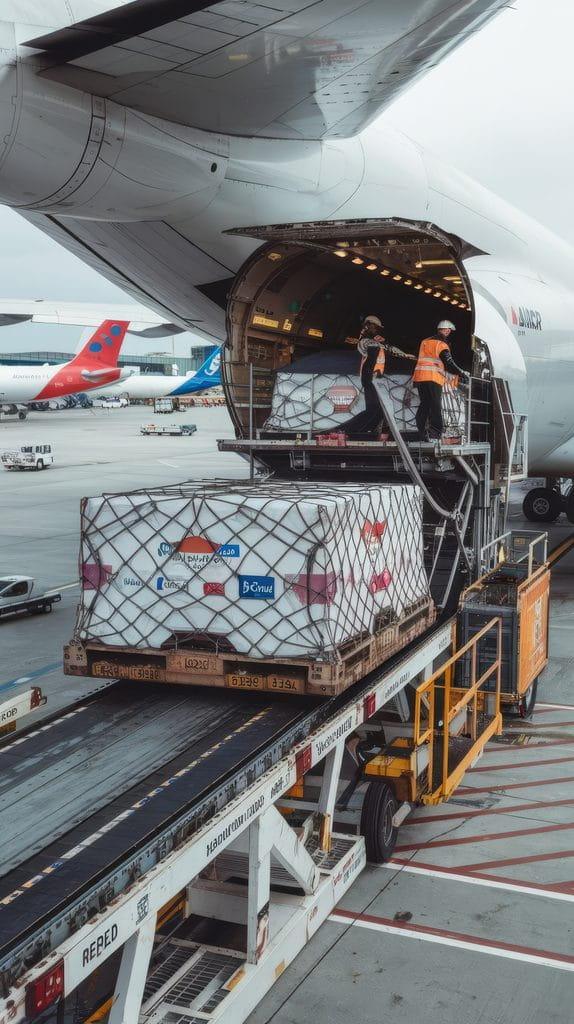
Built by people who’ve lived this work, so the details – air waybills, two-person crews, terminal banks, drayage free time – were never an afterthought



Your Whole Operation. One System
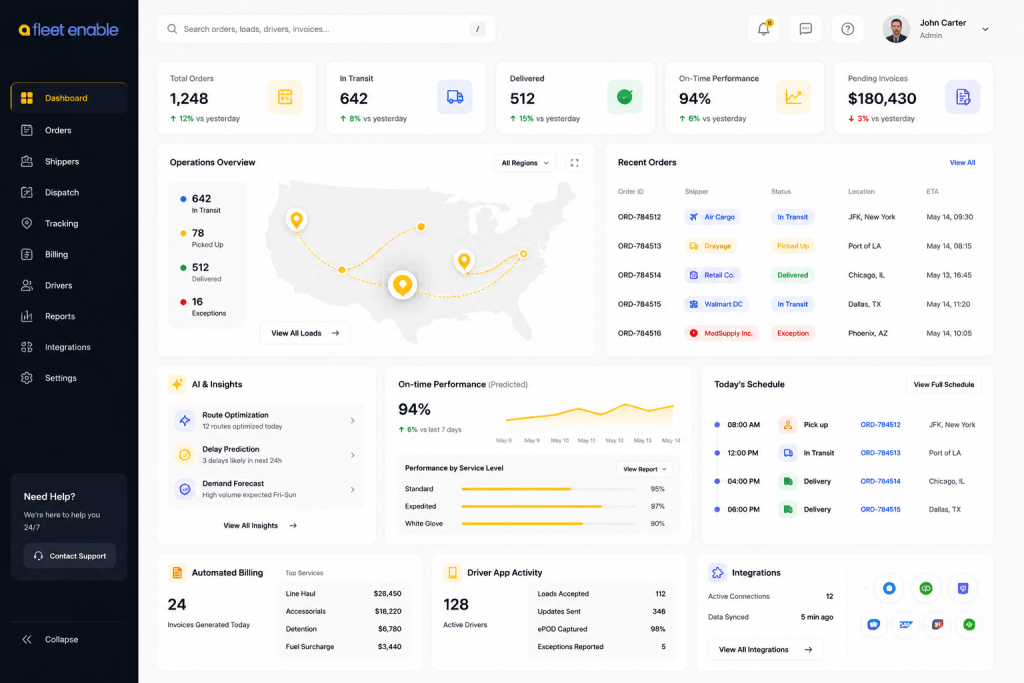
Core TMS Solutions
Everything a final mile carrier does, from the order arriving to the invoice clearing, in one workflow.
Receive
Every order, every channel, one queue.
Plan
Capacity and routes decided before the day starts.
Execute
Dispatch, drivers, and hub-to-hub, all moving.
Communicate
Shippers see the answer without calling you.
Bill
Invoiced and reconciled without a second system.
Analyze
Every number the owner needs, in one place.
Order Management
However it arrives, it arrives ready
Orders come in the way your shippers already send them. EDI, API, email, PDF, or typed in by hand, read and structured before anyone keys them in. Stop types and addresses settled before a route is built.
Intake
Every channel into one queue, structured on arrival.
API/EDI Integrations
Connected at the source, not patched afterward
Forwarder and shipper connections handled where the order originates. Order confirmations, status updates, and proof of delivery data flowing both directions without anyone rekeying a transaction.
Transaction Sets
204, 210, 211, 214, 945, 990, and 997 supported.
Rules-First Classification
Incoming documents sorted by rule before AI is asked to interpret.
API Access
Direct connection for shippers running their own systems.
Document Management
Every document, one search
Bills of lading, proofs of delivery, photos, and signed forms held against the order they belong to. Searchable by order number, house waybill, or master waybill, so a claim or a billing question gets settled in one lookup.
Searchable Repository
Find any document by order, HAWB, or MAWB.
Order-Linked Storage
Every file attached to the record it came from.
Claim Support
Condition reports and delivery photos held together.
Capacity Optimization
Know what you can carry before you commit
Plan against the space and equipment you actually have. Vehicle capacity, lift gate availability, and crew requirements are part of the plan rather than a discovery made at the dock.
Equipment Matching
Orders assigned to trucks that can carry them.
Load Planning
Available space worked out before the route is committed.
Crew Requirements
Two-person jobs planned as two-person jobs.
Route Optimization
Sequenced around how the stop actually works
Routes built from real service times, access restrictions, and delivery windows. The order of the day reflects what each stop needs rather than what looks shortest on a map.
Real Service Times
Sequencing based on how long a stop actually takes.
Access Constraints
Airport windows, dock hours, and site restrictions built in.
Window Compliance
Appointments held as commitments, not preferences.
Automated Routing And Dispatch
The board builds itself, then waits for your call
Assignments proposed across every driver, crew, and truck you have available. The dispatcher reviews, adjusts, and releases. The system does the arithmetic, the dispatcher keeps the decision.
Automatic Assignment
Orders matched to drivers and equipment across the day.
Live Dispatch Board
Drag and drop to override anything the system proposed.
Recovery Board
Freight needing recovery tracked on its own view.
Delivery Management
Tracked from assignment to proof at the door
Every stop visible from the moment it is assigned through to signature. Dispatch, the shipper, and the consignee are working from the same status at the same time.
Live Status
Recovery, in transit, delivered, visible as it happens.
Consignee Notifications
Automated updates across the delivery lifecycle.
Proof Capture
Photos, signatures, and condition reports at the door.
Driver App
One app in the field
Navigation, proof of delivery, forms, surveys, and exceptions in a single app, with account-specific instructions delivered to the driver in-app. Built for a workforce that turns over, so training time stays short.
Guided Workflows
Step-by-step delivery flows per account.
Account Instructions
Airport protocols, parking, and site requirements delivered in-app.
Exception Handling
Issues resolved in the app without a call to dispatch.
Linehaul+
Hub to hub, billed
Hub-to-hub legs planned in the same platform as the final mile, with the handoff to dispatch happening inside one system. Switched on per operation.
Multi-Stop Planning
Segment routing across terminals.
Driver Relay And Swaps
Handovers tracked leg by leg.
Segment Billing
Each leg billed automatically.
Stack Enable
A warehouse management system, built in
A full WMS living natively inside the TMS, sharing the same live data as your dispatch board. Receive, stage, pick, pack, and ship from one screen, with no integration to build or maintain.
3D Warehouse View
Every bay, slot, and staging space in real time.
Bi-Directional Sync
The warehouse and the trucks working off one record.
Barcode Scanning
Mobile scanning on Zebra and Motorola hardware.
Shipper Portal
Your brand, their answers
Shippers and consignees check status, pull proof of delivery, and book their own delivery windows on a portal carrying your name. Your team spends the morning on freight instead of status calls.
Live Tracking And POD
Customers pull what they need themselves.
Self-Scheduling
Windows booked by the customer, inside your rules.
Account Reporting
On-time rates and service compliance, per shipper.
Automated Billing
The delivery closes and the invoice builds
Accessorials calculated, fuel applied, and the invoice ready the same day the freight lands. Carriers running automated invoicing report a 95% reduction in billing time.
Billing From POD
Invoices firing the moment delivery is confirmed.
Accessorials Applied
Waiting time, lift gate, and inside delivery captured automatically.
Accounting Sync
QuickBooks and Sage connected directly.
Account Management
Rates, terms, and exposure in one place
Every shipper account holding its own rates, accessorial schedule, and credit terms. Exposure updates live, so an account gets flagged while there is still room to act on it.
Rate Management
Contracted rates held per account and applied automatically.
Credit Limits
Live exposure visible against every account.
Receivables
Payments, credit memos, and reconciliation in one trail.
Reports and Insights
Any money question, answered in seconds
Route profitability, accessorial capture, driver performance, and on-time rates, all drawn from the record the operation already runs on. The three quiet leaks in a final mile business are accessorials never charged, deliveries never billed, and free time running out unseen. Each one surfaces here.
Route Profitability
Revenue and margin by route, shipper, and mode.
Accessorial Capture
Charges earned against charges actually billed.
Service Performance
On-time rates and exception patterns by driver and account.
Able
Ask the platform, in plain language
Able is the AI layer built on Dhruva AI. Today it answers operational questions directly: pending orders, preplan creation, credit limit lookups, and billing report retrieval, without anyone building a query.
Operational Answers
Pending orders and credit limits on request.
Report Retrieval
Billing reports pulled in conversation.
Built On Real Workflows
Answers drawn from live platform data, not a general chatbot.
What Our Clients Say
Real operations running on Fleet Enable today.



50,000+ Deliveries a Year
35-truck white glove fleet, Northeast
Recruiting and retaining drivers are among the biggest challenges facing our industry, so we needed a platform that can make the driver’s day a little easier.
Joe H, President, National Electronic Transit (N.E.T.)
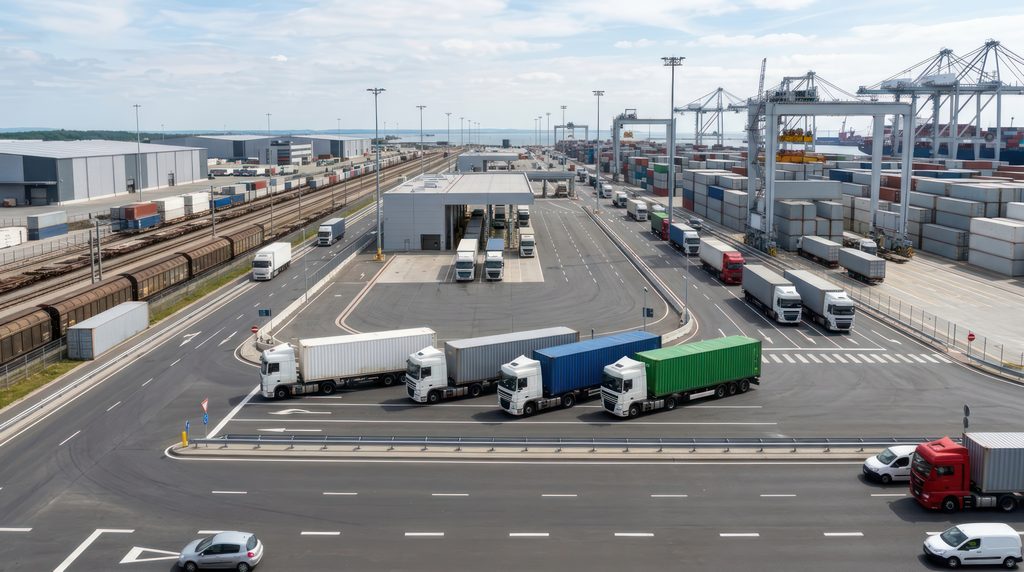

200,000 Sq Ft Under One System
Warehouse and final mile, Alabama and the Southeast
The automation features and modern technology were a no-brainer. We especially liked the ability to automate tracking for LTL shipments to final mile customers, shippers, and consignees.
Terminal Manager, Legacy 3PL

All of This Under One Roof
One platform replacing stitched-together systems
I’m a huge fan and a great spokesperson for you, just for the fact that I appreciate what you guys have done for us. I think that you’re far and beyond any of the others that are out there. Now we already have a software that has all of this under one roof.
Brent S, CEO, Guardian Logistics Solutions
Frequently Asked Questions
What is TMS software?
A TMS (transportation management system) plans, executes, and tracks the movement of freight. For a final mile carrier it handles order intake, dispatch, routing, the driver app, proof of delivery, and billing in one connected platform rather than several disconnected tools.
What should a carrier look for in TMS software?
A carrier needs software that handles execution rather than procurement: dispatch and routing, a driver app the team will actually use, proof of delivery, and billing that fires from the delivery. Fit to fleet size matters as much as feature count, since enterprise systems require administration a mid-size carrier does not have.
What are the benefits of a TMS?
Fewer orders lost between systems, routes built against real capacity, proof captured at the door, and invoices generated from completed deliveries rather than keyed in afterward. The practical result is lower cost per delivery and faster collection.
How long does it take to implement a TMS?
Fleet Enable is set up in weeks rather than months, and does not require a dedicated IT administrator to run.
Is Fleet Enable a cloud TMS?
Yes. Fleet Enable runs in the cloud, so there is no server to maintain and the platform is reachable from the office, the warehouse, and the road.