
Resources

>

Case Studies

Client logo

The Modern Carrier Stack: Why Final-Mile Logistics Runs on Automation Now

1 minute read

The Problem Statement

Final-mile logistics has changed dramatically in the last few years.

Customers expect real-time visibility. Shippers expect faster turnaround times. Drivers expect better tools. Dispatchers are expected to do more with fewer people. And carriers are still operating on razor-thin margins.

Yet many operations still run on spreadsheets, WhatsApp groups, manual dispatch planning, phone calls, and disconnected software systems.

The Solution

That model no longer scales.

Modern final-mile carriers don’t rebuild routes manually every morning. They don’t spend hours chasing PODs before invoicing. They don’t lose productivity answering driver calls all day.

The Outcome

Modern logistics operations are far more complex than basic parcel delivery.

Today’s carriers often handle multiple business models simultaneously:

  • Drayage operations
  • Air cargo movements
  • White-glove delivery
  • Dedicated fleet contracts
  • Retail distribution
  • B2B shipments
  • Hyperlocal deliveries

Each workflow has different operational requirements.

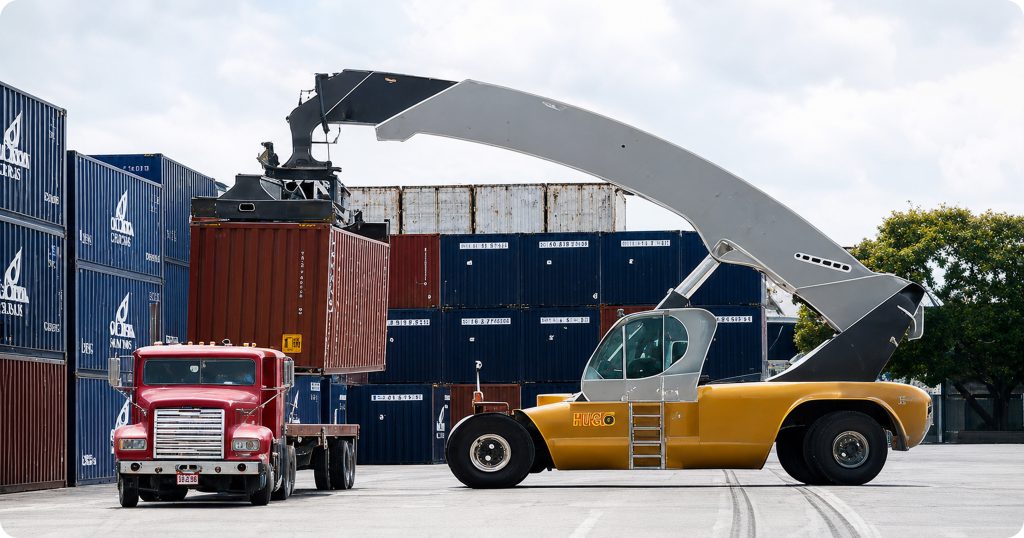
A drayage carrier needs container visibility and yard coordination.
An air cargo operator needs tight scheduling and airport movement tracking.
What Our Clients Say

These are the carriers building the future of final mile. Don't take our word for it.

quote
NPS 78
logo

NPS 78

vs. industry avg 45

Dock to stock in under 6 hours. Fleet Enable didn't just improve our operations — it changed what we believe is possible for a carrier our size.

Final-Mile Carrier · USA

net profit increase
logo

net profit increase

Dock to stock in under 6 hours. Fleet Enable didn't just improve our operations — it changed what we believe is possible for a carrier our size.

Final-Mile Carrier · USA

damage-free delivery
logo

damage-free delivery

Medical and white-glove freight on Fleet Enable. The documentation system alone transformed how we manage every exception and every claim in the operation.

Final-Mile Carrier · USA

Frequently Asked Questions

What challenges was the carrier facing before implementing Fleet Enable?

The carrier struggled with limited operational visibility, manual processes, disconnected workflows, and increasing pressure to handle growing shipment volumes efficiently.

How did Fleet Enable help improve operational efficiency?

Fleet Enable unified dispatch, tracking, and documentation into a single platform, automating manual tasks and giving the team real-time visibility across every shipment.

What measurable results did the carrier achieve?

The carrier saw faster turnaround times, fewer manual errors, improved on-time delivery, and the ability to scale volume without adding proportional headcount.

How long does it typically take to implement Fleet Enable?

Most carriers are up and running within a few weeks, with guided onboarding and configuration tailored to their specific workflows and business models.

Can Fleet Enable support multiple logistics workflows?

Yes. Fleet Enable supports drayage, air cargo, white-glove, dedicated fleet, retail distribution, and B2B operations from a single, unified platform.

Deliver better with Fleet Enable

Join the carriers who have turned their final-mile operation into their greatest competitive advantage.

Book a Demo