
The Problem Statement
Final-mile logistics has changed dramatically in the last few years.
Customers expect real-time visibility. Shippers expect faster turnaround times. Drivers expect better tools. Dispatchers are expected to do more with fewer people. And carriers are still operating on razor-thin margins.
Yet many operations still run on spreadsheets, WhatsApp groups, manual dispatch planning, phone calls, and disconnected software systems.
The Solution
That model no longer scales.
Modern final-mile carriers don’t rebuild routes manually every morning. They don’t spend hours chasing PODs before invoicing. They don’t lose productivity answering driver calls all day.
The Outcome
Modern logistics operations are far more complex than basic parcel delivery.
Today’s carriers often handle multiple business models simultaneously:
- Drayage operations
- Air cargo movements
- White-glove delivery
- Dedicated fleet contracts
- Retail distribution
- B2B shipments
- Hyperlocal deliveries
Each workflow has different operational requirements.
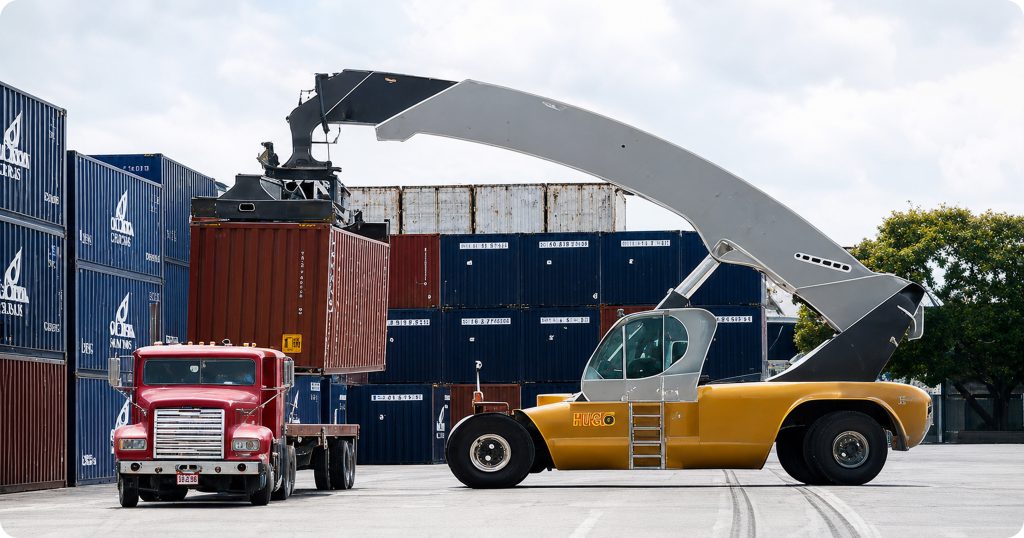
A drayage carrier needs container visibility and yard coordination.
An air cargo operator needs tight scheduling and airport movement tracking.